
🏷️ Tips · 📅 September 29, 2026 · ⏱ 9 min read
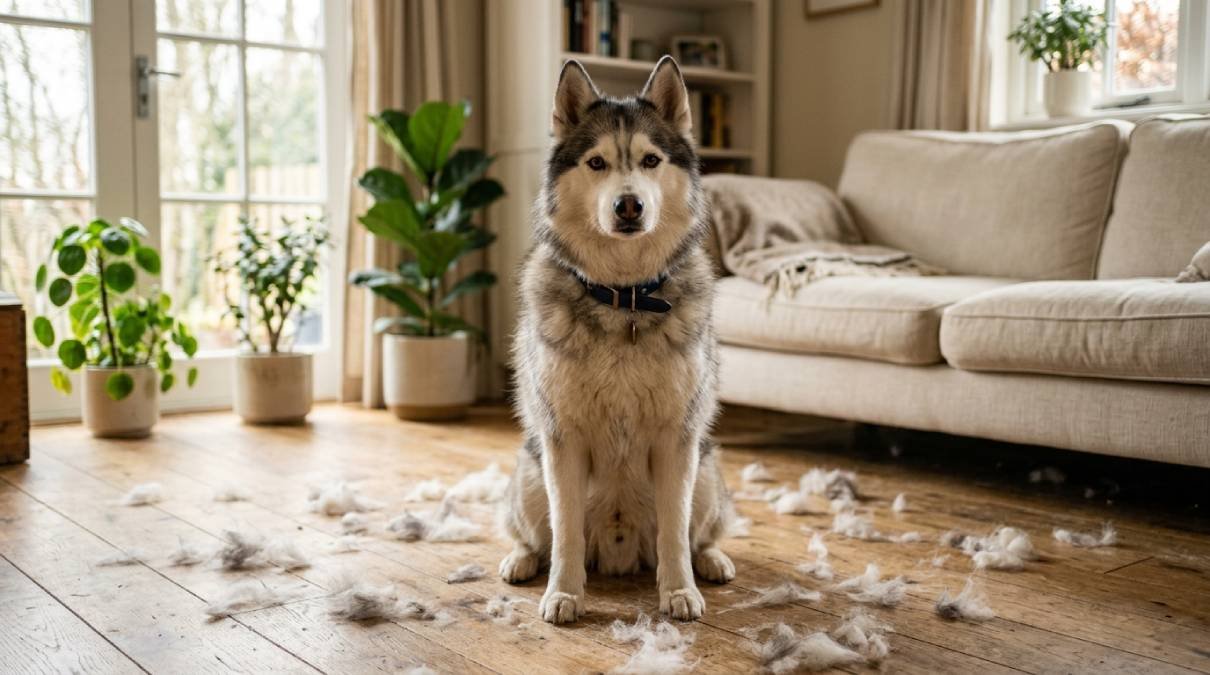
You can't turn shedding off, but you can turn it way down.
You can't stop a dog from shedding completely, because shedding is a normal process, but you can dramatically reduce it with regular brushing, a balanced diet, the right bathing routine, good hydration and regular vet checkups. Combine those five and most owners see far less fur on their floors, furniture and clothes within a few weeks.
This guide covers 10 habits backed by veterinary and kennel-club advice, a breed-by-coat tool guide, and the warning signs that mean shedding is something a vet should look at. And because a shedding dog deserves a name with a sense of humor, you'll find a few naming ideas at the end.
⚡ Quick answer
Brush 3–4 times a week (daily in shedding season) with the right tool, feed a balanced diet with omega fatty acids, bathe with a gentle shampoo when needed, keep your dog hydrated, and see your vet if shedding suddenly changes.
🐾 Why Dogs Shed (and What's Normal)
Dogs shed because hair has a life cycle: old or damaged hair falls out so new hair can grow in. The American Kennel Club explains that shedding is mainly triggered by changes in daylight and temperature, which is why dogs that shed seasonally tend to lose the most hair in spring and fall.
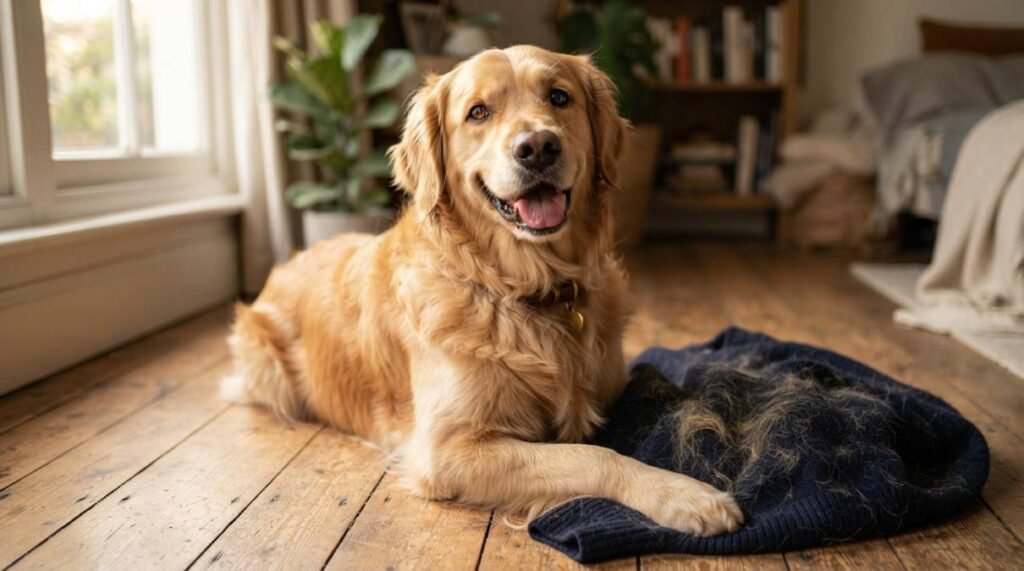
How much your dog sheds depends mostly on breed and coat type. Double-coated breeds like huskies, German shepherds and golden retrievers "blow" their undercoat twice a year, while short-coated dogs may drop a little hair all year long. The goal isn't zero fur. It's controlling where the fur ends up.
✅ 10 Vet-Backed Habits to Reduce Dog Shedding
You don't need to do all ten at once. Start with the first three and add more as they become routine.
1. Brush on a schedule
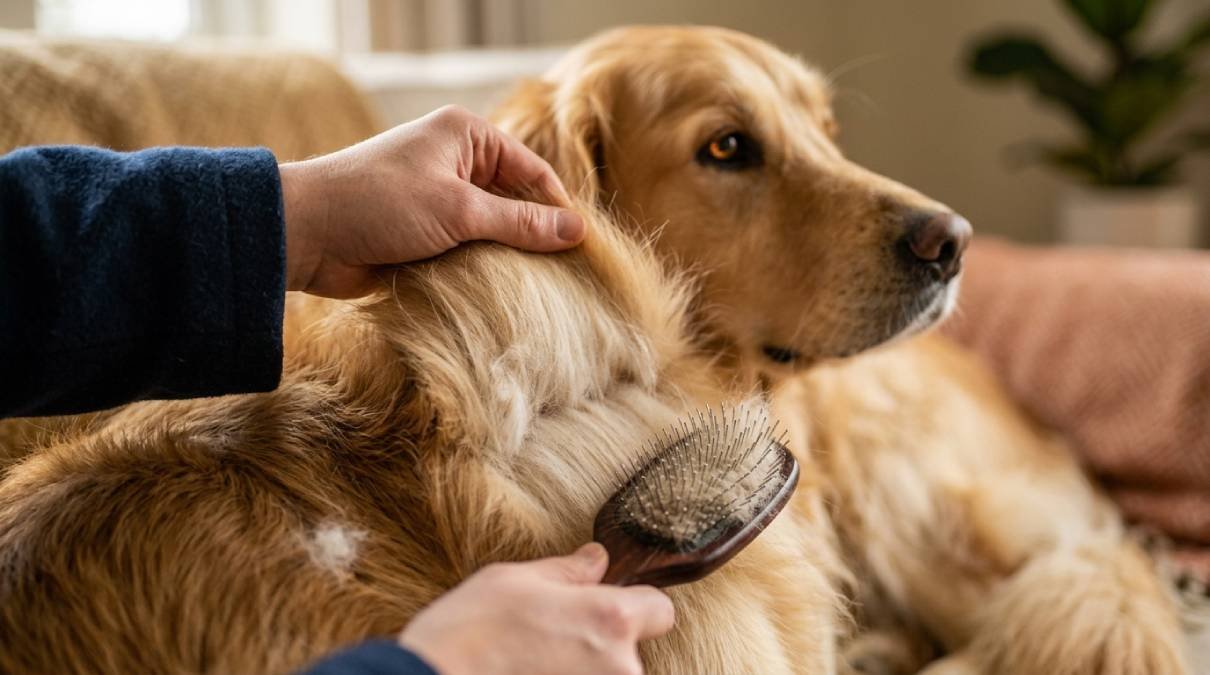
Biggest impactBrushing removes dead hair before it lands on your sofa. A veterinary dermatology expert quoted by Texas A&M's veterinary school suggests brushing at least three to four times a week for 5 to 10 minutes. The AKC adds that heavy shedders may need it daily during peak shedding periods.
2. Use the right brush for the coat
The wrong tool skims the top coat and leaves the undercoat behind. Slicker brushes handle everyday loose hair and tangles, undercoat rakes and de-shedding tools work for heavy seasonal shedding, and a rubber curry brush or grooming mitt suits short, smooth coats. Use light pressure, since pressing hard can irritate the skin.
3. Try line brushing for thick coats
Groomers use line brushing to reach every layer of the coat. Lift a section of hair with one hand, brush the exposed layer with the other, then work your way through the coat one line at a time. It's the best way to catch the undercoat, where most shedding hair comes from.
4. Bathe with a gentle or de-shedding shampoo
A bath loosens dead hair, especially when you dry your dog and brush afterward. The same Texas A&M expert suggests weekly baths in shedding season and two to three a month otherwise, while the AKC warns that bathing too often can dry out the coat and trigger more shedding. The right rhythm depends on your dog's skin and coat, so ask your vet or groomer, and always use a shampoo made for dogs.
5. Feed a balanced, high-quality diet
Skin and coat health start in the bowl. Look for complete, balanced foods with quality protein and omega fatty acids. Vets also point to nutrients like biotin as helpful for skin and coat, and if your dog sheds constantly, some breeders suggest checking whether the food is right for them.
6. Ask your vet about omega-3
Omega-3 fatty acids support healthy skin, and some vets recommend a supplement for dogs with dry skin or heavy shedding. Ask before starting one, because the right product and dose depend on your dog's size and health. Give it several weeks before judging the results, since coat changes are slow.
7. Keep your dog well hydrated
Dehydration can leave skin dry, and dry skin tends to worsen shedding. Keep fresh water available all day, wash the bowl daily, and add water to meals or offer a pet fountain if your dog isn't a big drinker. If your dog seems to drink too little, mention it to your vet.
8. Stay on top of fleas and parasites
Fleas and other parasites irritate the skin, and scratching leads to more hair loss. Use the flea preventative your vet recommends year-round, and check your dog's coat during brushing sessions for red patches, scabs or specks.
9. Step things up in spring and fall
Seasonal shedders drop the most hair when the weather changes, so plan for it. Brush daily, switch to a coat rake or de-shedding tool, and consider a professional deshedding treatment if you have a thick-coated breed. The AKC also suggests running a humidifier when the air is dry to keep skin comfortable, and keeping a brush by the door for a quick sweep after walks.
10. Don't skip regular vet checkups
Allergies, infections and hormonal or organ problems can all cause excess shedding, and they don't resolve on their own. A yearly checkup is the easiest way to catch them early, and it gives you a chance to ask which grooming routine and diet suit your dog best.
🧰 Which Brush for Which Coat?
The best brush is the one that matches your dog's coat. Use this quick guide.
Double coats (husky, German shepherd, golden retriever)
Undercoat rake or de-shedding tool, plus line brushing with a pin brush.
Short, smooth coats (Lab, beagle, boxer)
Rubber curry brush or grooming mitt, used with the direction of the hair.
Long, silky coats
Pin brush and a steel comb to work out tangles before brushing further.
Curly, continuously growing coats (poodle types)
Slicker brush plus professional haircuts to keep up with the growth.
Myth check: shaving a double-coated dog doesn't stop shedding. Groomers and vets generally advise against it, because the undercoat helps insulate against both heat and cold. Brush it out instead.
🏠 Keeping Your Home and Clothes Under Control
Even with a great routine, some fur will escape, so it helps to make the house easier to clean. Vacuum upholstery often, cover your dog's favorite napping spot with a washable throw, and wash pet bedding weekly on its own. A robot vacuum running daily catches the loose hair before it builds up.
Fur on your outfits is the other big headache. We put together a full guide on how to remove dog hair from clothes, from the rubber glove trick to a no-heat dryer cycle.
🐶 A Name to Match a Fluffy Shedder
If you're still choosing a name for your new fluffball, shedding is a surprisingly fun source of inspiration. Some owners lean into the mess with playful names like Fuzz, Puff or General Fluffernutter, while others pick a name that reflects the coat itself, like Honey for a golden, Onyx for a black coat or Cloud for a white one.
Try it yourself: in the Pet Name Generator, choose Dog and the Coat Color theme for names inspired by your dog's fur, or pick the Funny trait for names with a sense of humor, like General Fluffernutter. For more laughs, browse our funny and punny pet names.
🩺 When Shedding Isn't Normal
Book a vet visit if you notice any of these along with heavier shedding:
Bald patches, red or irritated skin, scabs, constant scratching or licking, a dull or brittle coat, or a sudden, dramatic increase in shedding. These can point to allergies, parasites, infections or an underlying health condition, and treating the cause is the only way to bring shedding back to normal.
❓ Frequently Asked Questions
Can you stop a dog from shedding completely?
No. Shedding is a normal process that helps dogs replace old or damaged hair, and some breeds naturally shed more than others. You can reduce it significantly with regular brushing, good nutrition, appropriate bathing and veterinary care.
How often should I brush my dog to reduce shedding?
Most dogs benefit from brushing at least three to four times a week for 5 to 10 minutes. Heavy shedders and double-coated breeds may need daily brushing during spring and fall shedding seasons.
Does fish oil or omega-3 help with dog shedding?
Omega-3 fatty acids support healthy skin and coat, and some vets recommend a supplement for dogs with dry skin or heavy shedding. Talk to your veterinarian before starting one, as the right product and dose depend on your dog.
Does bathing help or make dog shedding worse?
Bathing with a gentle dog shampoo can loosen and remove dead hair, especially when followed by drying and brushing. Bathing too often can dry out the coat and increase shedding, so ask your vet or groomer how often is right for your dog.
Why is my dog suddenly shedding more than usual?
Seasonal changes in daylight and temperature are a common cause, but a sudden or dramatic increase can also point to allergies, parasites, infections, stress or a health problem. If shedding comes with bald spots, red skin or constant itching, see your veterinarian.
Should I shave my dog to stop shedding?
No. Shaving does not stop shedding, and it can interfere with the natural insulation of a double coat. Regular brushing and de-shedding tools are safer and more effective.
Find the Perfect Name for Your Fluffy Best Friend
Choose Dog, pick a theme like Coat Color, and get name ideas in seconds.
Open Pet Name Generator