
Dog Names: The Ultimate Guide to Naming Your Canine (2026)

The Definitive Guide to Dog Names

From historical traditions to the latest 2025 trends, explore our comprehensive guide to choosing a name that perfectly captures your dog's unique spirit, breed, and personality.
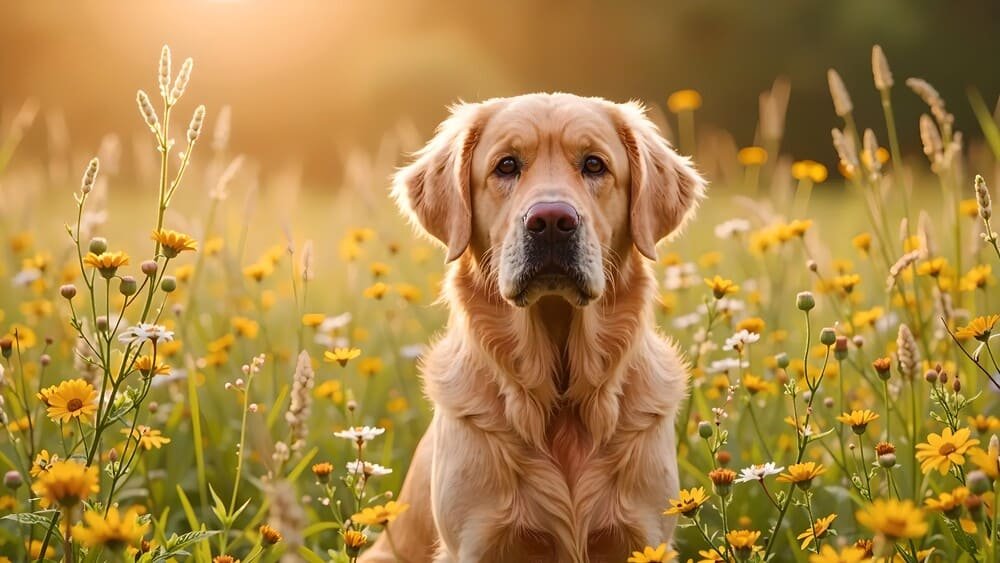
Golden Retriever puppy running happily in a sunny green field, representing the joy of a well-named dog

Introduction: The Power of a Name

Bringing a new dog into your life is a momentous occasion filled with excitement, joy, and a touch of overwhelming responsibility. Among the beds to buy, the food to choose, and the training schedules to plan, one decision stands out as the most permanent: choosing their name. Your dog’s name is the foundation of your lifelong communication. It's the word you will call out in the park, whisper affectionately during quiet evenings, and perhaps occasionally shout when a shoe goes missing.A dog's name is more than just a label; it is a reflection of their identity and your relationship with them. It bridges the gap between human and animal, signaling to your dog that they are a cherished member of the family. The right name can enhance training, capture a quirky personality trait, and even spark conversations with strangers. In this comprehensive guide, we will explore everything you need to know to make this crucial decision, from the rich history of dog naming to the practical science of how dogs hear and respond to different sounds.

A Brief History of Dog Naming Traditions

The way humans have named their canine companions has evolved dramatically over millennia, mirroring the changing role of dogs in society.

Ancient Utility (Pre-1800s): Historically, dogs were primarily working animals. They herded sheep, hunted game, and guarded property. Their names often reflected their utility, physical traits, or temperament. Names like “Hunter,” “Trapper,” “Swift,” or “Guard” were incredibly common. In ancient Greece and Rome, dogs were given names that translated to concepts like “Brave,” “Faithful,” or “Whitey.”

The “Fido” Era (19th & 20th Centuries): As dogs began to transition from pure workers to beloved pets, their names shifted. Abraham Lincoln’s dog was named “Fido” (from the Latin fidelis, meaning faithful), popularizing a trend of distinct “dog names” like Spot, Rover, and Rex. These names clearly delineated pets from humans.

The Modern Family Member (21st Century): Today, the paradigm has shifted entirely. Dogs are overwhelmingly viewed as “fur babies.” Consequently, human names have completely taken over the charts. Names like Charlie, Bella, Max, and Lucy treat the dog not as a possession, but as a sibling or child, reflecting a deep, emotional familial bond.

Current Trends in Dog Names (2024-2025)

If you walk into a local dog park today, you are listening to a live reading of modern cultural trends. The most popular names of the current era are heavily influenced by media, lifestyle shifts, and aesthetic movements.

Vintage & "Grandparent" Names

There is a massive surge in charming, old-fashioned names. Names like Arthur, Hazel, Winston, Mabel, and Otis provide a sense of dignity and cozy nostalgia, proving incredibly popular for breeds like Bulldogs and Basset Hounds.

Nature & Botanical

As people seek deeper connections with the outdoors, earthy names are booming. Willow, River, Juniper, Sage, and Bear reflect a love for adventure, perfect for hiking companions and active breeds.

Pop Culture Phenomena

Television and movies dictate naming spikes instantly. We see names like Rip (Yellowstone), Loki (Marvel), and Kelce (Sports) climbing the charts as owners pay homage to their current obsessions.

Foodie Favorites

Quirky culinary names show off a dog's cute factor. Mochi, Peanut, Waffles, Olive, and Chai are irresistible, particularly for smaller breeds and doodles.

Popular Dog Name Categories and Styles

Categorizing names can help narrow down your search. Which of these overarching styles resonates most with you and your dog’s vibe?

The Classics

These names never go out of style. They are sturdy, reliable, and universally understood. Examples: Max, Bella, Daisy, Charlie, Buddy, Molly.

The Badass & Tough

Ideal for guard dogs, large breeds, or tiny dogs with massive attitudes (ironic naming is a huge trend). Examples: Zeus, Tank, Diesel, Roxy, Harley, Kratos.

The Elegant & Sophisticated

For the dog that holds their head high and refuses to step in puddles. Examples: Stella, Duke, Bentley, Penelope, Sebastian, Victoria.

The Geeky & Nerdy

Names inspired by sci-fi, fantasy, gaming, and literature. Examples: Frodo, Zelda, Pixel, Vader, Arya, Yoshi.

5 Science-Backed Tips for Choosing the Perfect Name

Beyond personal preference, canine behavioral science offers distinct guidelines on what makes a name effective for training and recall.

  1. Stick to One or Two Syllables
    Long names get lost in translation. “Max” or “Bella” is much easier for a dog to process quickly than “Sir Reginald Fluffington.” If you choose a long name, ensure it has a short, punchy nickname.
  2. Utilize Hard Consonants
    Dogs hear high-frequency, sharp sounds best. Names starting with hard consonants like C, K, T, or D (Cooper, Koda, Tucker, Duke) act as an acoustic spike, grabbing their attention instantly.
  3. End with a Vowel
    Names ending in an “ee” or “a” sound (Riley, Luna, Bailey) force you to change your intonation when calling them. This rising pitch naturally signals affection and playfulness to your dog.
  4. Avoid Command Confusion
    A name shouldn’t sound like a basic obedience command. “Kit” sounds like “Sit.” “Bo” sounds like “No.” “Ray” sounds like “Stay.” This phonetic overlap can cause major hurdles in training.
  5. The “Embarrassment” Rule
    Imagine your dog has run across a crowded park. Are you comfortable yelling “Mr. Poop-Paws!” at the top of your lungs in public? If not, reconsider.

Breed-Specific Naming Considerations

A dog’s breed history, physical appearance, and innate temperament are fantastic sources of naming inspiration. Honoring their heritage can lead to a perfectly tailored moniker.

German Shepherds & Dobermans: Often excel with strong, Germanic names that reflect their intelligence and guarding heritage. (Klaus, Fritz, Greta, Heidi, Bruno)

Golden & Labrador Retrievers: These friendly, sunny dogs suit approachable, cheerful, and outdoorsy names. (Sunny, Buddy, River, Finn, Goldie)

Chihuahuas & Toy Breeds: Owners often go two routes: leaning into the cute (Peanut, Pixie, Bean) or employing hilarious irony by giving them massive, intimidating names (Thor, Hulk, Goliath).

Siberian Huskies & Malamutes: Naturally evoke the frozen north, inspiring geographical and weather-based names. (Alaska, Yukon, Blizzard, Ghost, Aspen)

Rescues & Mixed Breeds: Mixed breeds have the ultimate blank canvas. Names often stem from unique coat markings (Patches, Socks) or the story of their rescue (Lucky, Hope, Journey).

Cultural Influences on Dog Names

Looking beyond your own borders can unearth beautiful, meaningful names. Drawing from different languages adds a layer of sophistication and depth to your pet's identity.

Japanese

Hachi: Good luck
Yuki: Snow
Kenzo: Wise
Sakura: Cherry blossom

Celtic / Irish

Finnegan: Fair
Rory: Red king
Maeve: Intoxicating
Seamus: Hawk

Spanish

Diego: Supplanter
Luna: Moon
Chico: Boy
Alma: Soul

Famous Dogs and Their Names

Throughout history, certain dogs have achieved legendary status, and their names have become deeply embedded in our cultural vocabulary. Looking at these famous figures reveals why certain names “work.”

Lassie (Rough Collie): A name synonymous with heroism and loyalty. It has a soft, lilting sound (“ee” ending) that conveys gentle affection and approachability.

Balto (Siberian Husky): Named after the famous sled dog who delivered diphtheria antitoxin to Nome, Alaska. The hard ‘B’ and ‘T’ consonants make it sharp, strong, and highly responsive in harsh conditions.

Scooby-Doo (Great Dane): A silly, rhythmic, and purely phonetic name that perfectly captures the character’s goofy, clumsy, and lovable personality.

Toto (Cairn Terrier): Dorothy’s companion in The Wizard of Oz. The repeating syllables make it incredibly easy for a dog to learn, and it sounds small and spunky, matching the breed.

How to Test If a Name Works

You’ve narrowed down your list to a few top contenders. Before you buy the customized collar and engrave the ID tag, put the name through a few practical tests:

  1. The Back Door Test: Step outside, imagine your dog is at the far end of the yard, and yell the name. Does it roll off the tongue easily? Does it sound authoritative yet friendly?
  2. The Reaction Test: If you have the puppy with you, wait until they are slightly distracted. Say the potential name in an upbeat tone. Do their ears perk up? Do they turn to look at you? A name with the right phonetic pitch will naturally draw their attention.
  3. The Sleep On It Test: Pick a name and use it exclusively for 48 hours. Call them by it, talk to them using it. If it feels awkward or you find yourself stumbling over it, it’s not the right fit. Don’t be afraid to pivot early on!

Conclusion: Your Journey Begins Here

Naming your dog is a beautiful milestone—it is the first official act of welcoming them into your heart and home. Whether you opt for a sturdy classic, an elegant human name, or a whimsical nod to your favorite food, the most important factor is the love with which it is spoken. Trust your instincts, consider their personality, and enjoy the process.

Top Dog Name Ideas

Popular Male Names

Popular Female Names

Unique & Trendy Names

Ready to find the perfect name?

Scroll to Top