

🏷️ Guides · 📅 September 5, 2026 · ⏱ 10 min read
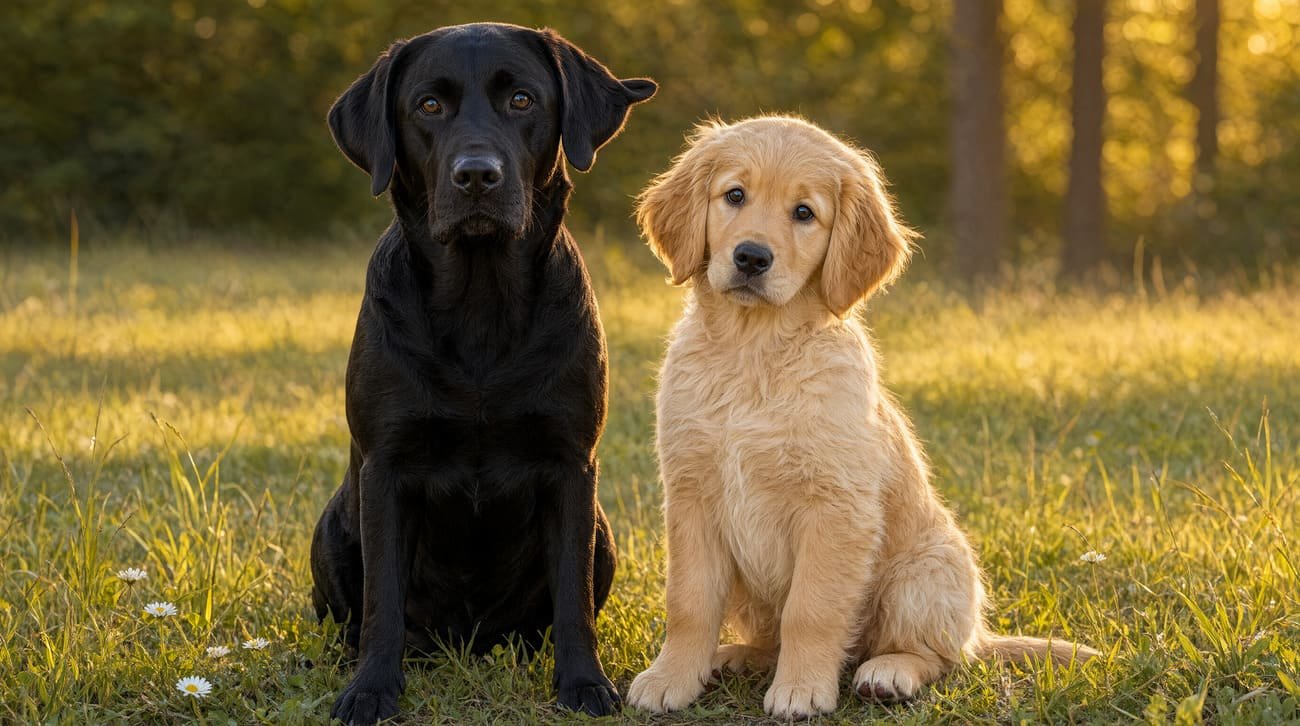
Unlike a cat, who will hear their name and choose to ignore you on principle, a dog hears their name and comes bounding over full-speed, ears flapping, entirely convinced you have a snack. That eagerness is exactly why getting the name right matters so much.
You've got a wriggling new puppy, or maybe a wide-eyed rescue dog who's still learning that this couch is now allowed. Either way, you're staring at them, trying out names out loud, and watching for absolutely no reaction whatsoever — because right now, it's just noise to them.
Here's the good news: unlike cats, dogs are neurologically wired to want to learn their name. They're eager, social, and biologically primed to bond a specific sound to "that's me, and good things happen when I hear it." But not every name is created equal in a dog's ears. The name you choose isn't just decoration — it becomes the single word you'll say more than any other for the next decade or more. It's woven into every recall at the dog park, every excited greeting at the door, and every moment you need their attention fast.
This guide walks through the real acoustic science behind names dogs actually hear well, personality-based naming categories, a viral naming trend taking over dog parks right now, and a simple method for teaching your dog to respond to their new name in days, not weeks.
🔊 The Science of Sound: Names Dogs Actually Hear
Before you fall in love with a name purely because it's cute, it helps to know that dogs process names very differently from how we do. They aren't hearing "identity" — they're hearing a specific pattern of sound that either does or doesn't cut through the noise of a busy street, a dog park, or a living room with the TV on.
The Two-Syllable, Hard-Consonant Rule
A dog needs to distinguish their name from background noise within about two seconds, or their attention drifts elsewhere. Names with one or two syllables and sharp, hard consonants — K, T, D, P, B, G — consistently win here. Think Cooper, Tucker, Bodhi, or Diesel compared to something like Maximilian or Constantine, which simply take too long to say with any urgency.
Ending on a clear vowel sound helps too. "Bella," "Milo," and "Luna" all carry further outdoors than names that trail off into a soft consonant, because the open vowel sound travels and holds a dog's attention a beat longer.
Avoid the Command Trap
One mistake trips up more new owners than any other: picking a name that rhymes with a command you'll use constantly. "Kit" sounds a lot like "sit." "Bo" sounds a lot like "no." Dogs learn through sound patterns, not meaning, so if the name and the command blur together, you'll spend months untangling confusion that was entirely avoidable.
Why Pitch Matters Almost as Much as the Word Itself
Dogs are remarkably tuned to tone. A name said with a rising, upbeat pitch reads as an invitation — "come here, something good is happening." The exact same name said in a flat, low tone can read as a warning. This is why trainers often say the word matters less than how you say it: two people can use the identical name, and the dog will respond completely differently depending on the energy behind it. Save the high, happy pitch for calling them over, and reserve a calmer, lower tone for redirecting unwanted behavior.
Feline vs. Canine Phonetics: Cats are tuned to high-pitched "ee" endings and sibilant hisses; dogs respond best to punchy, two-syllable words with hard consonants. Curious about the full breakdown between species? Check out our deep dive into The Science of Naming.
🐾 Category 1: Naming by "Vibe" and Personality
Every dog walks into your home with a personality already fully formed. Spend a few days watching how they move through the world before you commit — the right name usually reveals itself.
The Regal & Distinguished
For the dog who walks like they own the sidewalk and expects the good blanket.
Duke: Commanding, classic, and effortlessly dignified. Winston: Refined with a hint of old-world charm. Sterling: Precious, polished, and quietly self-assured. Bentley: Luxurious without trying too hard.
Looking for more high-society inspiration? Browse our Old Money Pet Names guide.
The Zoomie Chaos Gremlin
For the dog who does full-speed laps around the yard for absolutely no reason at 7pm sharp.
Rocket: Because they are, quite literally, one. Bolt: Fast, unpredictable, gone before you blink. Ziggy: Chaotic energy in the most lovable form. Turbo: Zero brakes, maximum enthusiasm.
The Velcro Cuddler
For the dog who follows you into the bathroom and considers three feet of distance a personal betrayal.
Bear: Warm, sturdy, and built for hugging. Honey: Sweet, soft, and endlessly affectionate. Buddy: The name that says "best friend" out loud.
The Noble Guardian
For the watchful dog who takes their job of barking at the mail carrier very seriously.
Ranger: Alert, capable, always on duty. Titan: Powerful and quietly protective. Chief: Because they've clearly appointed themselves in charge.
The Class Clown
For the dog who trips over their own leash and then looks proud of it.
Waffles: Goofy, warm, impossible not to smile at. Noodle: Floppy, silly, endlessly entertaining. Biscuit: Small, round, and full of personality. Pickle: Weird in the best possible way.
A Note on Breed Tendencies
Working and herding breeds (German Shepherds, Border Collies, Huskies) often end up with strong, job-like names — Scout, Ranger, Blaze — that match their focus and drive. Toy breeds, on the other hand, are where the size-contrast humor really shines: a five-pound Yorkie named Zeus or Diesel gets a laugh every single time. If you're naming a specific Doodle breed, browse our Doodle Breeds guides for Goldendoodles, Labradoodles, and Bernedoodles.
🧔 Category 2: The Viral "Giant Dog, Tiny Human Name" Trend
There's a very specific joke sweeping dog parks and social media right now: giving a 150-pound Mastiff or Great Dane the name of a mild-mannered, middle-aged office worker. The bigger and more intimidating the dog, the funnier it is to hear their owner shout "Kevin! Come here, buddy!" across the park.
The comedy runs both ways too — a teacup Chihuahua named "Zeus" or "Duke" gets the same delighted double-take. It's the same instinct behind ironic naming: the bigger the mismatch between the name and the dog, the more memorable it is.
Kevin · Gerald · Steve · Doug · Nigel · Craig · Barry · Trevor — unremarkable, wonderfully human names that turn any dog into an instant character. For more on the size-contrast side of naming, see our full Small Dog vs. Big Dog Names guide, and if the vintage-human-name angle appeals to you, don't miss our other Trending Names guides for 2026's biggest naming crazes.
🎨 Category 3: Coat Colors and Aesthetics
The oldest naming trick in the book still works because it works: let the coat do the talking.
Black Dogs: Shadow (quietly watchful), Onyx (deep and sleek), Raven (sharp and striking), Midnight (mysterious and calm).
Golden & Yellow Dogs: Goldie (warm and sunny), Honey (sweet and soft), Amber (rich and glowing), Sunny (bright, obviously).
Brindle Dogs: Domino (patterned and distinct), Patches (playful and blended), Mosaic (complex and one-of-a-kind).
White Dogs: Casper (friendly and ghost-pale), Frost (cool and elegant), Snowball (charming, obviously), Ghost (ethereal and quiet).
Merle Dogs: Marble (swirled and unique), Dapple (soft and speckled), Harlequin (bold and patterned).
Dive deeper into this aesthetic naming style with our full Coat Color Pet Names guide.
⚠️ Common Naming Mistakes to Avoid
Naming them after a household member (living or otherwise): Calling "Grandma!" across a crowded park gets confusing fast, for you and for actual Grandma.
Choosing something that sounds like another pet's name: "Daisy" and "Darcy" in the same household will trip up recall for both dogs.
Picking a name you'll be embarrassed to shout in public: You will, at some point, need to yell this name loudly at a vet's waiting room or a crowded trail. Choose accordingly.
Going too long "just this once": Even if you plan to shorten it later, dogs learn whatever version you actually say most often — so start with the short form from day one.
🎓 Actionable Value: How to Teach Your Dog Its New Name
Picking the name is the fun part. Getting your dog to reliably respond to it takes a little consistency — but dogs, unlike cats, are practically built for this. Most dogs learn their name within just a few days of focused practice.
This isn't just a party trick — a dog who responds instantly to their name is safer. A fast, reliable response can be the difference between calling them back from a busy road and watching helplessly as they keep running. Treat name-training with the same seriousness as any other core cue.
The 3-Step Name Training Method
1. Say It, Then Reward It: Say the name in a bright, happy tone, and the instant they glance toward you, follow immediately with a small treat or praise. Repeat this several times a day in short bursts.
2. Never Use It for Scolding: If a dog's name becomes associated with trouble, they'll start hesitating to come when called. Keep the name linked only to good things — corrections get a separate, calm "no" instead.
3. Practice in Low-Distraction Environments First: Start in a quiet room, then gradually add distractions — another person, a toy on the floor, outdoor sounds — once they're responding reliably indoors.
Training Pro Tips:
— Keep training sessions to 2-3 minutes so they stay engaged and eager, not bored.
— Use the same upbeat tone every time — consistency speeds up recognition dramatically.
— Avoid overusing nicknames until the primary name is fully learned; too many variations early on can slow things down.
Patience Pays Off: Most dogs learn their name within just a few days to two weeks of consistent, positive practice — noticeably faster than cats. That eagerness to please is exactly why dogs make such quick studies once you find the sound that grabs their attention.
🦴 The "Treat Test" Before You Commit
1. Narrow it down to your top 3 favorite names.
2. Grab a small, high-value treat.
3. Say each name aloud in a happy, upbeat voice from a few feet away.
4. Watch closely: which name makes their ears perk up or their head tilt fastest?
5. Say it a few more times — the one that feels natural to shout across a park, and makes you smile every time, is usually the winner.
Still Haven't Found the Name That Makes Their Ears Perk Up?
Head over to our Pet Name Generator, select "Dog," and play with the "Loyal," "Brave," or "Playful" personality filters to instantly generate dozens of fresh, tailored ideas.
Open Pet Name Generator