
🏷️ Tips · 📅 September 30, 2026 · ⏱ 9 min read
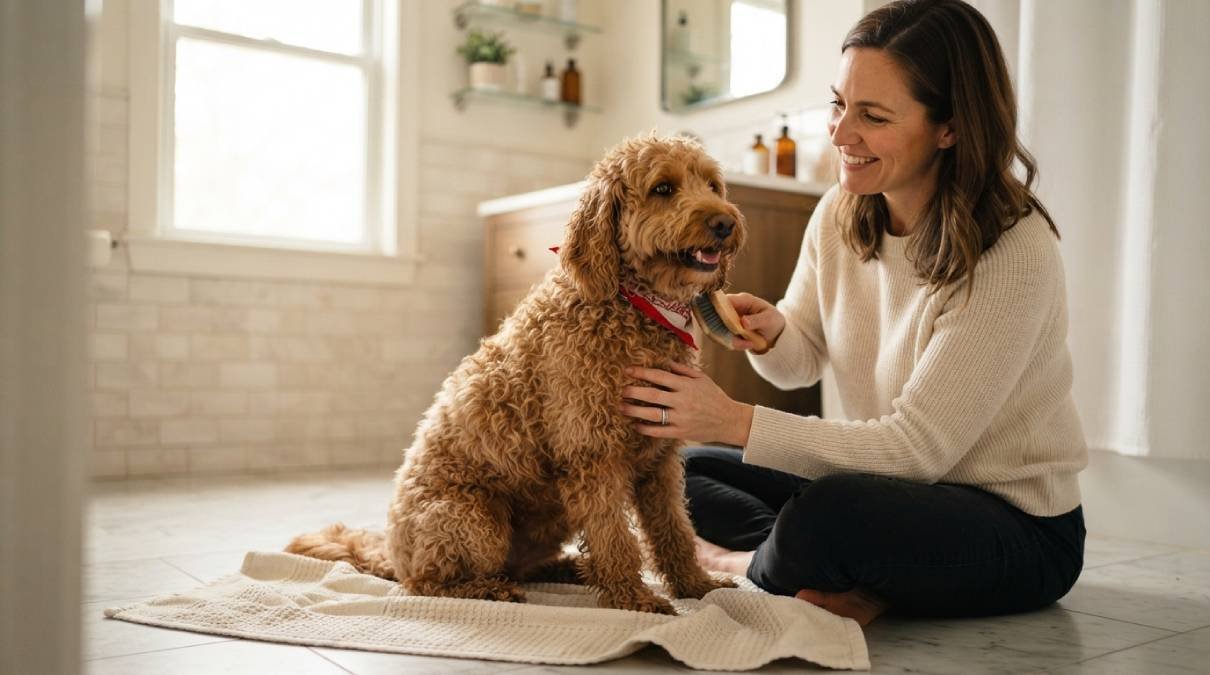
Grooming isn't just about looking good. It's a weekly health check disguised as a spa day.
The best dog grooming routine at home is simple: brush your dog every week (more often for long coats), give a bath when needed, trim the nails every few weeks, check and clean the ears, and brush the teeth a few times a week. Keep each session short and reward your dog with treats, and grooming becomes bonding time instead of a battle.
This beginner-friendly guide walks you through the tools you need, an 8-step routine, a simple schedule, the mistakes to avoid, and when it's smarter to call a professional. There's also a fun bonus at the end: naming ideas for dogs that love (or at least tolerate) their spa day.
⚡ Quick answer
Brush weekly or more, bathe roughly monthly (depends on coat and lifestyle), trim nails every 3–4 weeks, check ears weekly and clean about monthly, and brush teeth 2–3 times a week.
🧰 What You Need for a Home Grooming Kit
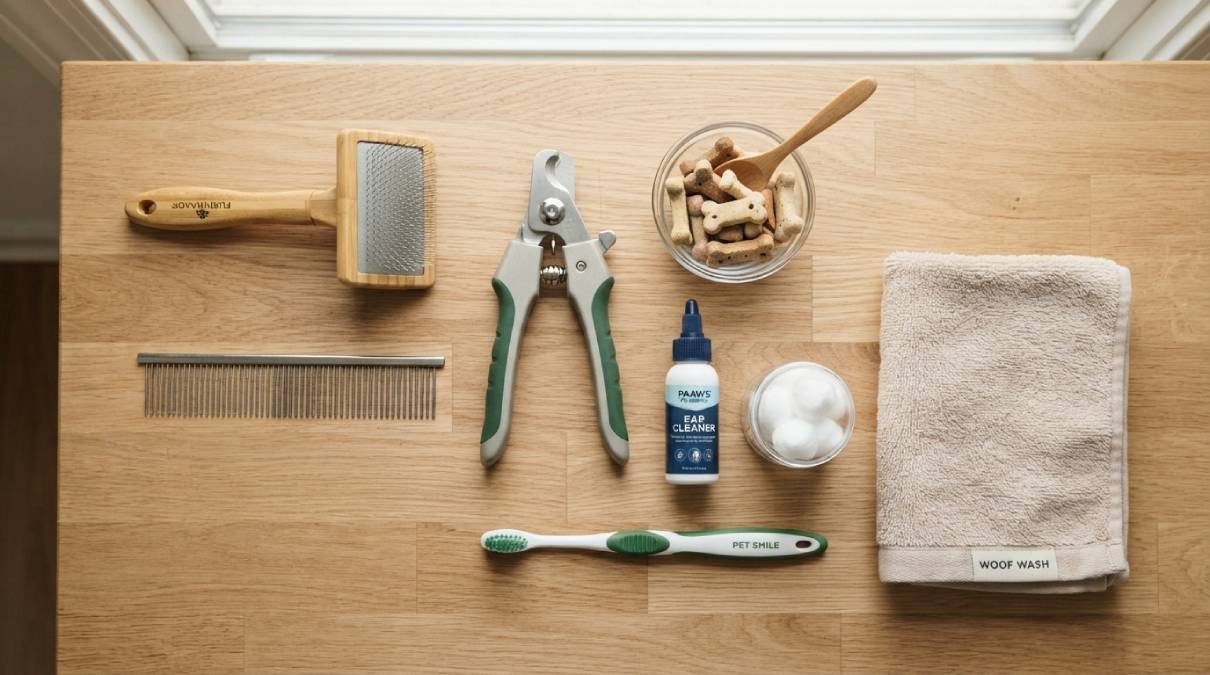
You don't need professional gear to start. Dog-specific products are important, since they're made to protect your dog's skin and coat. Here's a starter kit:
Brush and comb
A slicker or pin brush plus a wide and fine-tooth comb, matched to your dog's coat.
Dog shampoo
Gentle and made for dogs. Never use human shampoo.
Nail clippers and styptic powder
The powder stops bleeding fast if you clip too close.
Ear cleaner and cotton balls
A vet-recommended solution. No cotton swabs.
Dog toothbrush and toothpaste
A finger brush works well for beginners.
Towels, a non-slip mat and treats
The treats are the most important item on the list.
✂️ An 8-Step Dog Grooming Routine for Beginners
Follow the steps in order. You don't have to do all of them in one session, and shorter sessions work better for most dogs.
1. Make it a positive experience
Start hereKeep the first sessions short and reward calm behavior with tasty treats. Regular handling also helps your dog get used to professional groomers and vets later, as the AKC Reunite guide to in-home grooming points out. Touch the paws, ears and mouth gently every day so nothing feels strange when the tools come out.
2. Brush before you bathe
Brushing removes loose hair and tangles and spreads your dog's natural oils across the coat. Do it before the bath, because water can tighten mats and make them harder to remove. Work in small sections, be gentle around the armpits and behind the ears, and see our guide on how to stop dog shedding for the right brush by coat type.
3. Bathe with lukewarm water and dog shampoo
Wet your dog thoroughly, lather with dog shampoo, avoid the eyes and ears, and rinse until no suds remain, since leftover shampoo can irritate the skin. Bathing frequency depends on coat type, activity level and skin health, so ask your vet if you're unsure. And skip the outdoor bath in cool or cold weather: the AKC warns it can cause a dangerous drop in body temperature.
4. Dry completely
Towel-dry first, then use a dryer if your dog's coat and temperament call for it, on a cool or low setting and at a comfortable distance. Dry the ears and skin folds well, since trapped moisture is a common trigger for ear problems.
5. Trim the nails a little at a time
Long nails can split or break, which can lead to infection. Clip only the tip, and stop before the curve of the nail to avoid the quick, the sensitive pink part inside. Aim for nails short enough that they don't click on hard floors. If you're nervous, ask your vet or groomer to show you first, and always keep styptic powder nearby.
6. Check and clean the ears
Look and sniff inside both ears every week for redness, debris or odor. Most dogs benefit from cleaning about once a month, according to the AKC's guide to grooming a dog. Use a vet-recommended ear cleaner, wipe the visible part with a cotton ball in gentle circles, and never push anything deep into the canal. Cotton swabs are off the table.
7. Brush the teeth
Brushing two to three times a week helps remove plaque and tartar, and daily is even better. Use a dog toothbrush or a finger brush and toothpaste made for dogs, never human toothpaste. Let your dog taste the paste first so it feels like a treat.
8. Finish with a light tidy-up (optional)
If your dog's breed needs it, trim only on a clean, fully dry coat, using just the tips of blunt-tipped scissors around the feet, face and tail. Keep your other hand on the edge of the ear so you cut hair and not skin. Avoid shaving your dog at home, and leave major haircuts to a professional.
📅 A Simple Home Grooming Schedule
Use this as a starting point and adjust it for your dog's coat and lifestyle.
Brushing
2–3 times a week. Long or curly coats may need it daily to prevent mats.
Bath
Roughly every month, or as your dog's coat, activity and skin require.
Nails
Every 3–4 weeks, or when they start clicking on the floor.
Ears
Check weekly and clean about once a month.
Teeth
2–3 times a week at minimum, daily if you can.
Health check
Every session: look over skin, paws, eyes and ears for anything new.
🚫 Common Grooming Mistakes to Avoid
Using cotton swabs in the ears is the most dangerous one, because a dog's ear canal is longer and just as delicate as ours. Human shampoo is another, since it isn't made for a dog's skin. Cutting into the quick, bathing too often, skipping the drying step, and shaving a double coat at home round out the list.
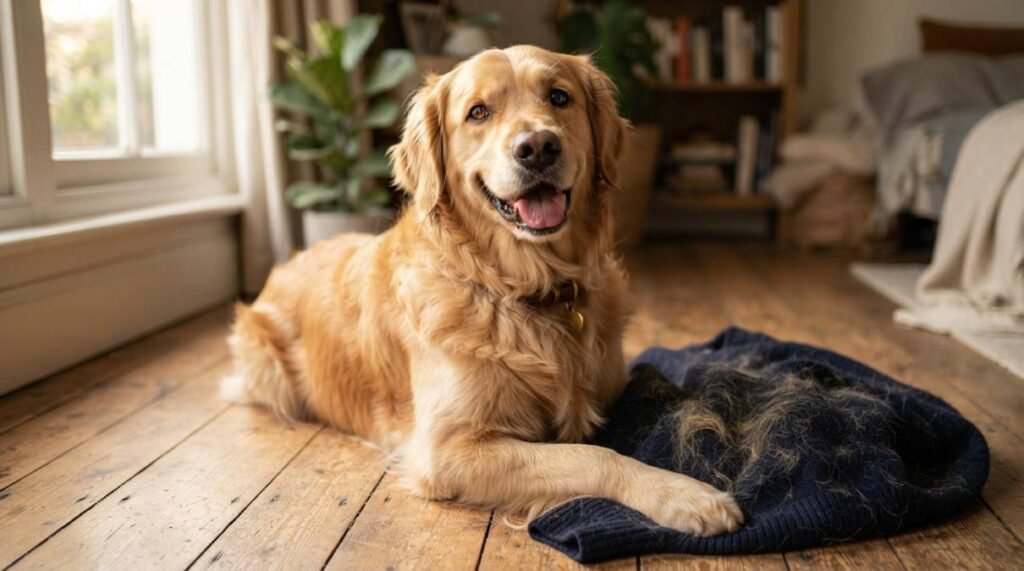
If you find a foreign object in your dog's eyes, ears, nose, mouth or paw pads while grooming, don't try to remove it yourself. Call your vet first. And if you're battling loose fur on your clothes after all that brushing, our guide to removing dog hair from clothes will help.
🛁 Turn Grooming Into a Spa Day (and Find a Name to Match)
Grooming sessions are a great time to say your dog's name in a happy voice, which builds a positive link between the name and good things. If you're still deciding on one, the spa theme is a fun place to start. Soft-coated dogs suit names like Velvet, Silk, Cotton or Puff, and a dog who behaves like a proper gentleman on the grooming table might be a Winston or a Beaumont, while a lady of the house could be a Penelope.
Try it yourself: in the Pet Name Generator, choose Dog and the Coat Color theme for names like Velvet, Silk and Cotton, or pick the Elegant trait for refined names like Winston and Penelope.
🩺 When to Call a Groomer or Vet
Ask a professional for help if you find any of the following while grooming:
Mats that pull on the skin, lumps or sores, red or smelly ears, a nail that bleeds and won't stop, sudden hair loss, or a dog who is very stressed by handling. A groomer can safely handle severe mats and tricky cuts, and a vet should check anything that looks like a health issue. Many owners use a mix of home grooming and regular professional visits, and the AKC notes that good home habits make professional grooming easier for everyone.
❓ Frequently Asked Questions
How often should I groom my dog at home?
Most dogs benefit from brushing at least two to three times a week, a bath about once a month, nail trims every three to four weeks, ear checks weekly and teeth brushing two to three times a week. Long-haired or curly breeds may need daily brushing, so adjust the routine to your dog's coat and lifestyle.
Can I use human shampoo on my dog?
No. Human shampoo isn't formulated for a dog's skin and coat and can cause dryness or irritation. Use a gentle shampoo made specifically for dogs, and ask your vet if your dog has sensitive skin.
How do I trim my dog's nails without hurting them?
Clip only a small piece of the tip at a time and stop before the curve of the nail to avoid the quick, which is the sensitive pink part inside. Keep styptic powder nearby in case of bleeding, and ask your vet or groomer to demonstrate if you're nervous.
How do I clean my dog's ears safely?
Use a vet-recommended ear cleaner and cotton balls to wipe only the part of the ear you can see, and never insert cotton swabs or other objects into the ear canal. Dry the ears well after baths or swimming, and see your vet if you notice redness, discharge or a bad smell.
Do I still need a professional groomer if I groom my dog at home?
Often yes. Home grooming keeps your dog clean and healthy between visits, but professional groomers have the tools and training for haircuts, de-matting and breed-specific trims. Combining both is a common approach, and good home habits make professional appointments easier.
How can I get my dog to stay calm during grooming?
Keep sessions short, reward calm behavior with treats and handle your dog's paws, ears and mouth gently every day so the touch feels normal. Groom after a walk when your dog is relaxed, and stop before your dog gets stressed so each session ends on a good note.
Give Your Freshly Groomed Pup a Name to Match
Choose Dog, pick a theme like Coat Color or a trait like Elegant, and get name ideas in seconds.
Open Pet Name Generator